
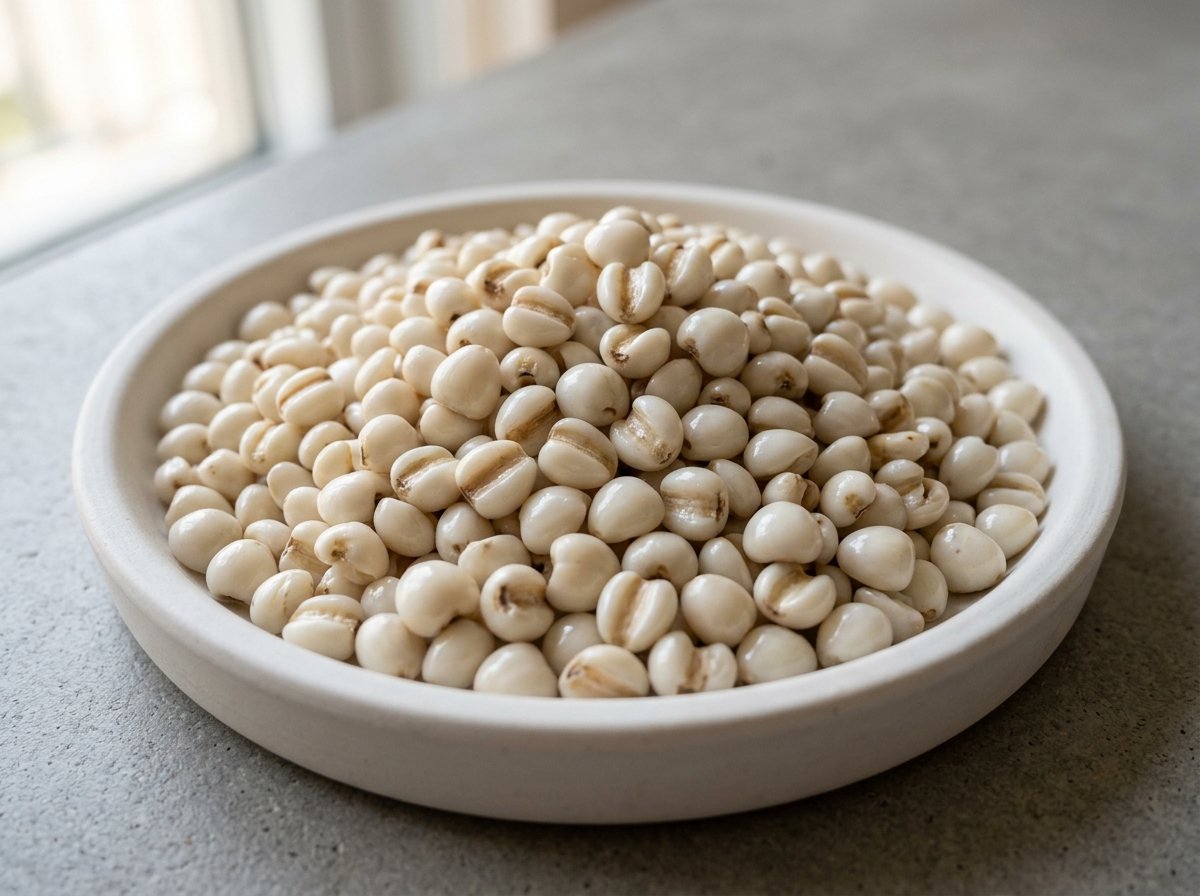
Polished, pearly white Coix seeds for beverages, health foods and traditional cuisine.
De-hulled, polished and colour-sorted Job's Tears (Coix lacryma-jobi / Adlay), widely grown in Southeast Asia and exported from Bangkok. Valued across global markets for its pleasant nutty flavour, pearl-white appearance, and wide application in functional health beverages, porridge, herbal soups, and breakfast cereals.
What we sell against
Polishing and selection grades
Polished Pearl Grade A
Double-hulled, polished and optical-sorted whole seeds with bright pearly white appearance, uniform grain size and zero black-tipped impurities. Top grade for packaged retail and beverages.
Natural Cleaned Grade
De-hulled whole grain with minimal mechanical polishing, preserving the natural outer bran layer. Popular for traditional Chinese medicine and whole grain health formulations.
Key industries utilizing Job's tears
Preservation and containerization
Job's tears seeds are prone to weevils if untreated. All export lots undergo certified fumigation prior to container stuffing.
Job Tears — questions buyers ask
Answers from the trading desk. If yours is not here, put it in the enquiry and it will be answered in the reply.
Job's Tears (Coix lacryma-jobi) is traded globally under names including Coix Seed, Adlay, Chinese Pearl Barley, Hato Mugi (Japan), and Yulmu (Korea). In customs tariff nomenclature, it is classified under HS Code 1008.40 or 1211.90.
Harvested seeds are mechanically dehusked, gently polished to remove the hard outer shell without damaging the nutrient-rich germ, and passed through multi-channel optical colour sorters to yield uniform, pearly white-cream seeds with the characteristic dorsal groove. Purity is guaranteed at minimum 99% with broken grains held below 2%.
Coix seed is extensively utilized across traditional East Asian medicine and nutraceuticals (Yi Yi Ren / Coix seed extract), functional healthy beverage formulations (tea and cereal drinks), brewing, cosmetic skin-brightening extracts, and as a gluten-free ancient grain.
We supply in 25 kg multi-wall craft paper bags or vacuum-sealed polypropylene bags to protect against ambient humidity. A standard 20ft FCL container loads 20 MT. Moisture is strictly kept below 13.5% and accompanied by Phytosanitary clearance.
Export corridors & destination customs documentation
Shipped directly from Bangkok Port (PAT) and Laem Chabang Deep Sea Port. Every export container of job tears (HS Code 1008.40) is supported by authenticated origin documentation, laboratory analysis, and phytosanitary clearance tailored to destination port regulations.
India & Subcontinent — Nhava Sheva & Kandla
ASEAN-India FTA preferential duty tariffs backed by Department of Foreign Trade (DFT) Form AI Certificate of Origin, Phytosanitary, and PQ clearance certificates.
Middle East & GCC — Jebel Ali & Dammam
Full Chamber of Commerce legalisation, attested commercial invoices, non-GMO health declarations, and Halal-conforming packaging where requested.
East Asia & ASEAN — Hai Phong & Cat Lai
Form D (ASEAN) and Form E (ACFTA) duty concessions, standard SGS pre-shipment quality inspection, and express direct carrier bill of ladings.
Europe & Americas — Rotterdam & Hamburg
Strict EU phytosanitary passporting, ISPM-15 heat-treated fumigated pallets, full chemical COA (Certificate of Analysis), and CITES export permits where applicable.
Also in the programme
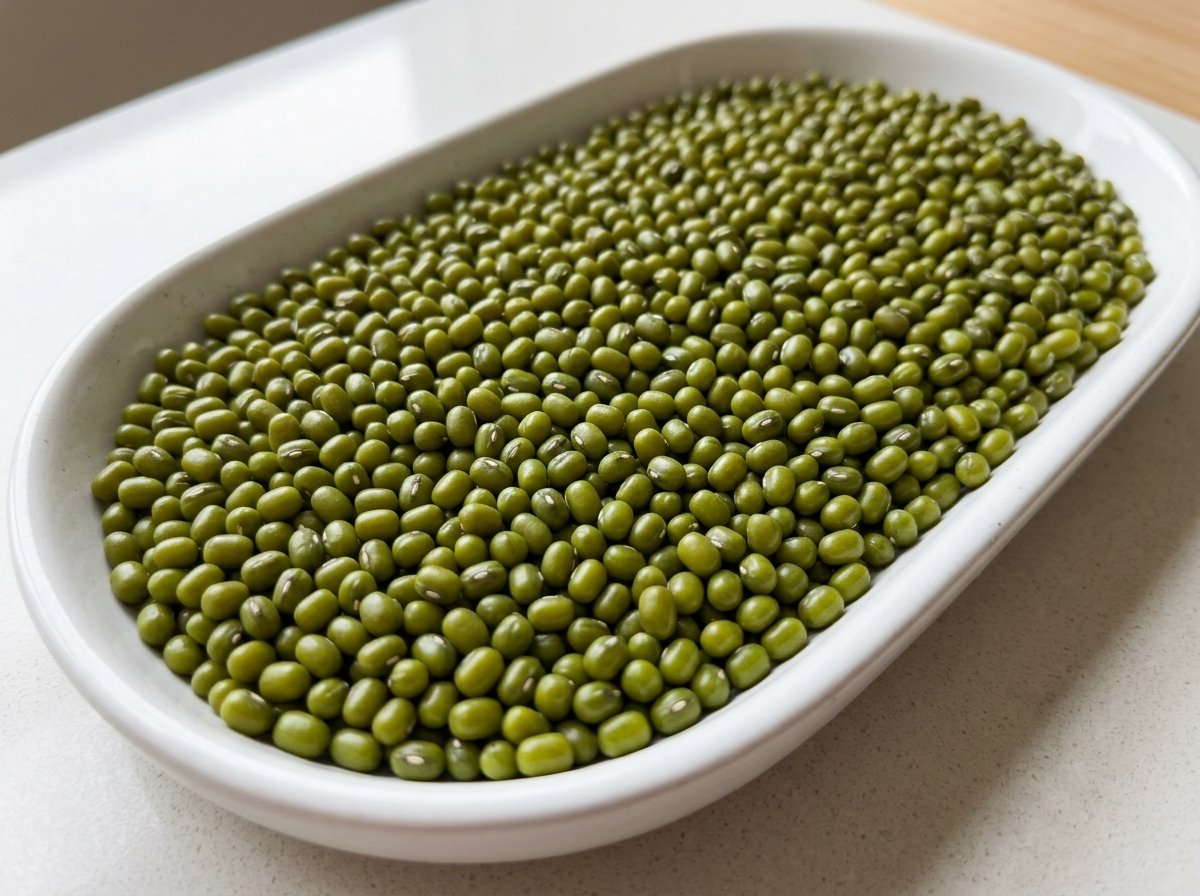 HS 0713.31
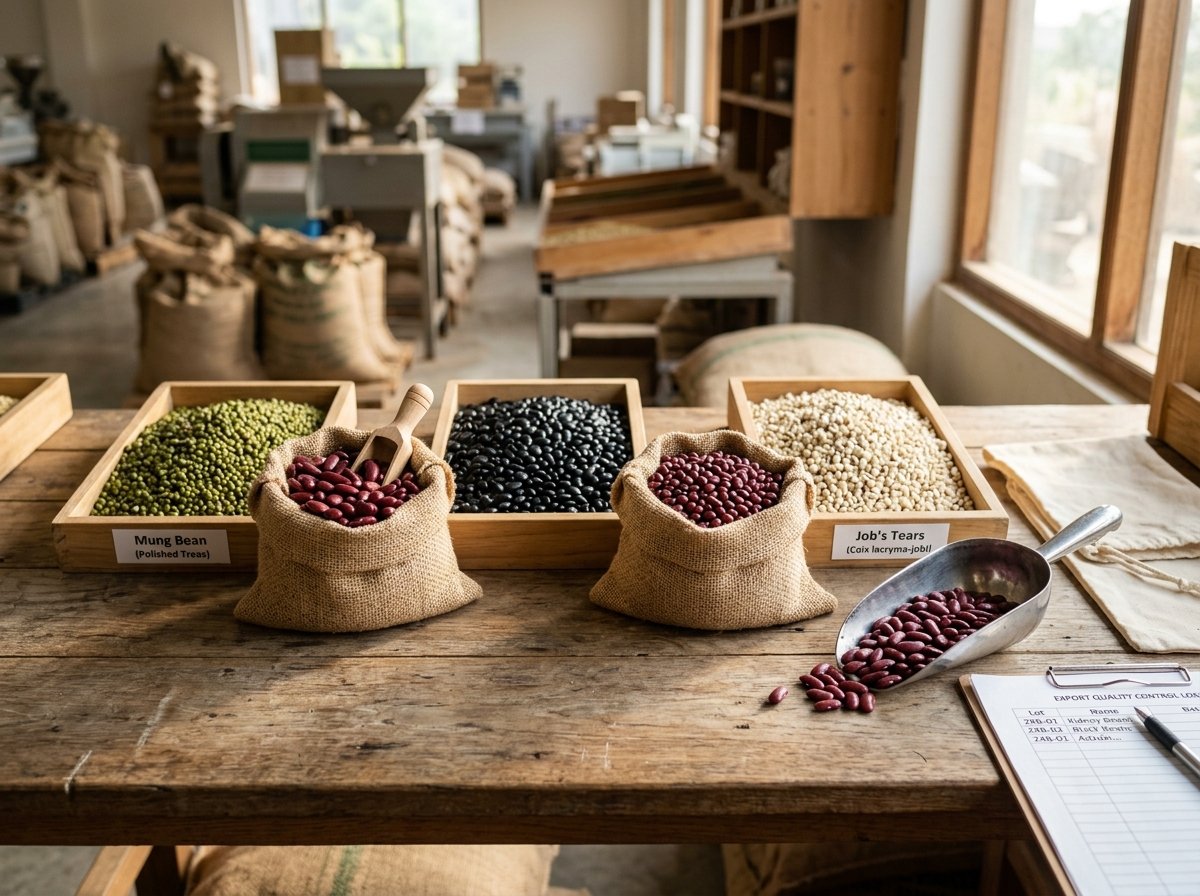
Moong Beans
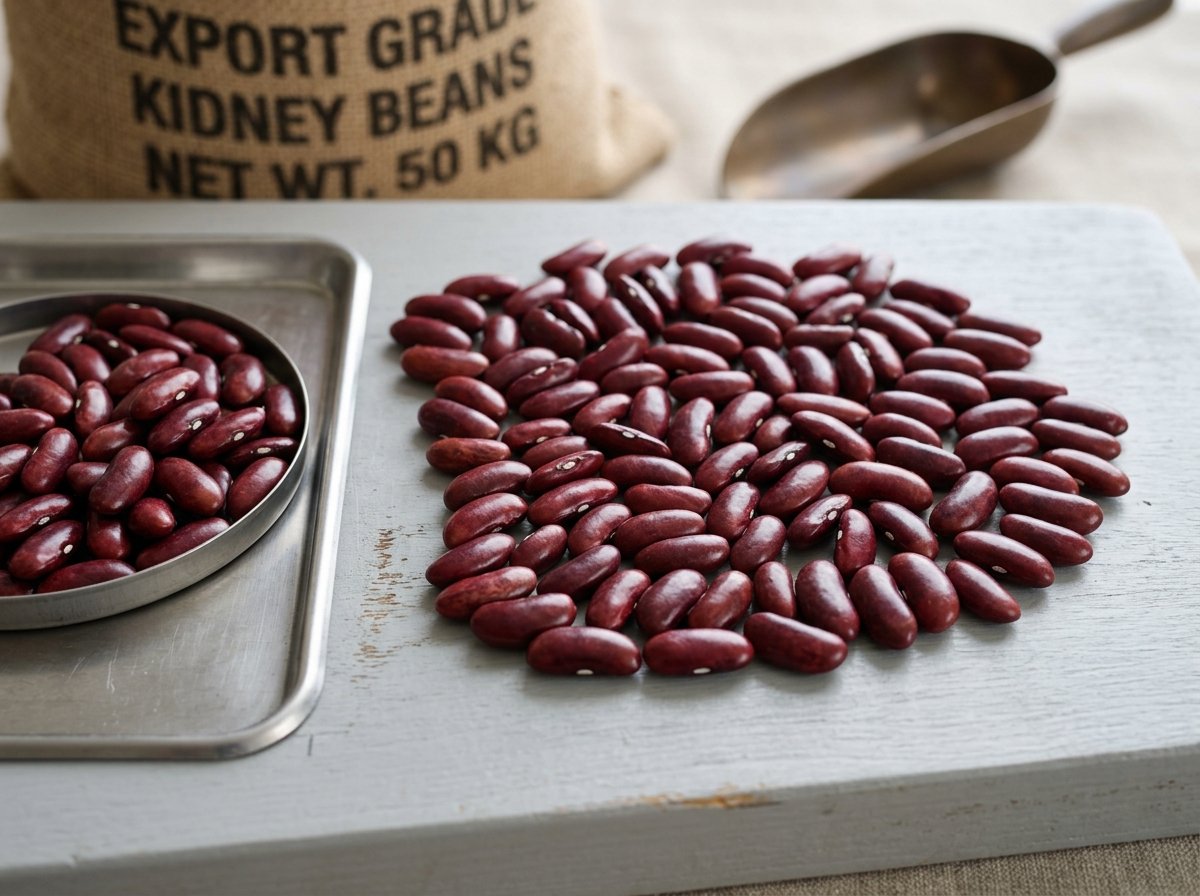 HS 0713.33
Red Kidney Beans
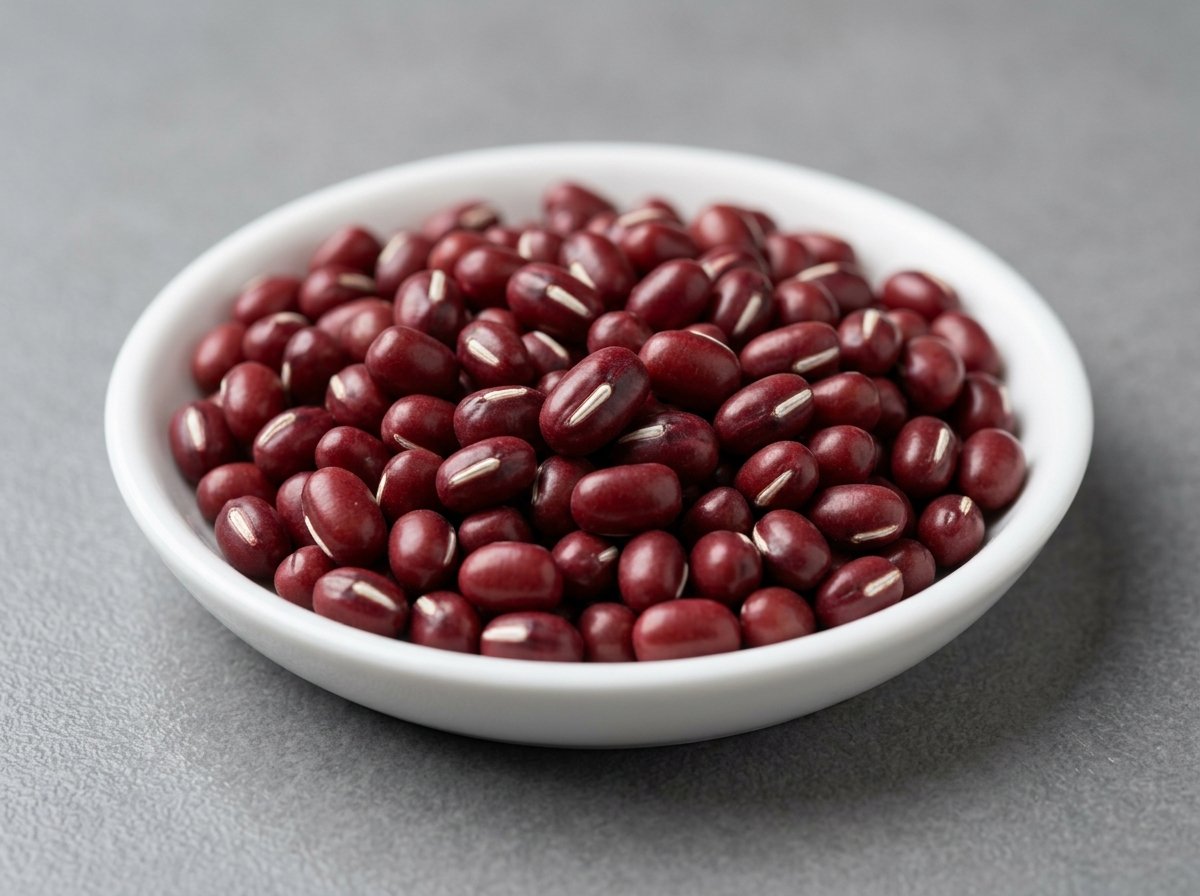 HS 0713.32
Red Beans
 21 Lines
All 21 Export Commodities
Natural gums, resins, tropical hardwood, pulses, beans, rice & fresh Thai produce.
Tell us the grade and the port.
We reply with an indicative price, a packing plan and container fill, and what we can send as a sample.